

Skin pigmentation is not just “spots,” but a sign that the skin is under stress and trying to protect itself. If you understand what triggers it, you can get rid of the spots and restore an even skin tone. Hyperpigmentation is directly related to melanin production, sun exposure, hormonal imbalances, and post-acne inflammation, so ignoring it for years means allowing the spots to become deeper and darker.
What are pigmentation problems?
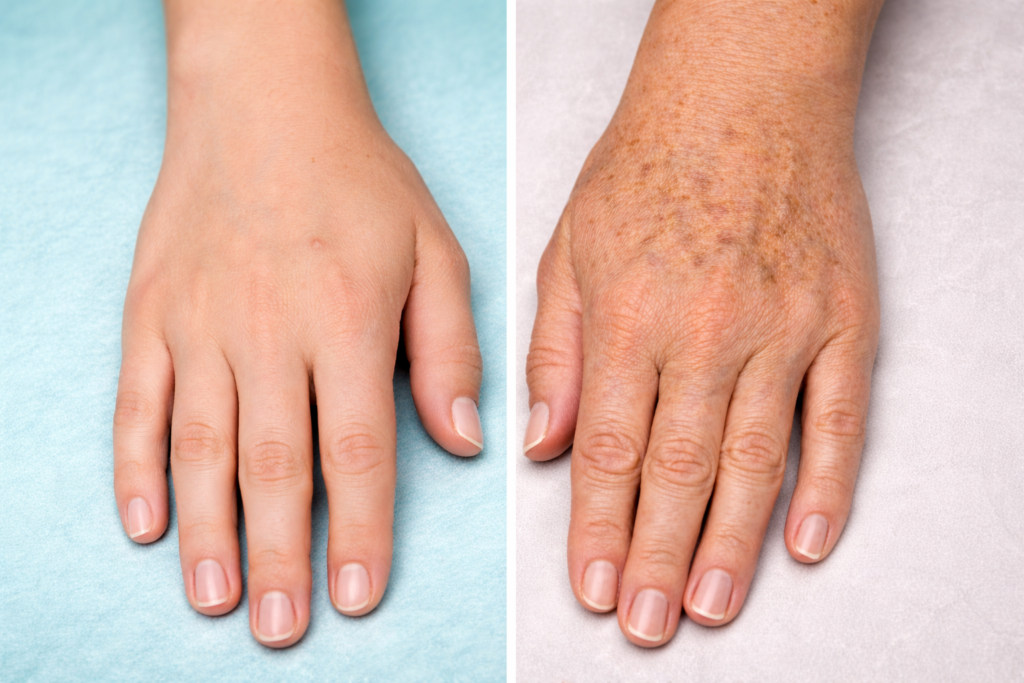
- Pigmentation is a change in the natural skin tone due to excessive or insufficient production of melanin, the pigment responsible for skin, hair, and eye color.
- With hyperpigmentation, the skin darkens in certain areas (spots, stripes, “mask” on the face), while with hypopigmentation, lighter areas appear.
Main types of pigmentation
- Post-inflammatory hyperpigmentation (PIH) — dark spots that remain after acne, burns, or aggressive procedures, which do not disappear for a long time and often intensify in the sun.
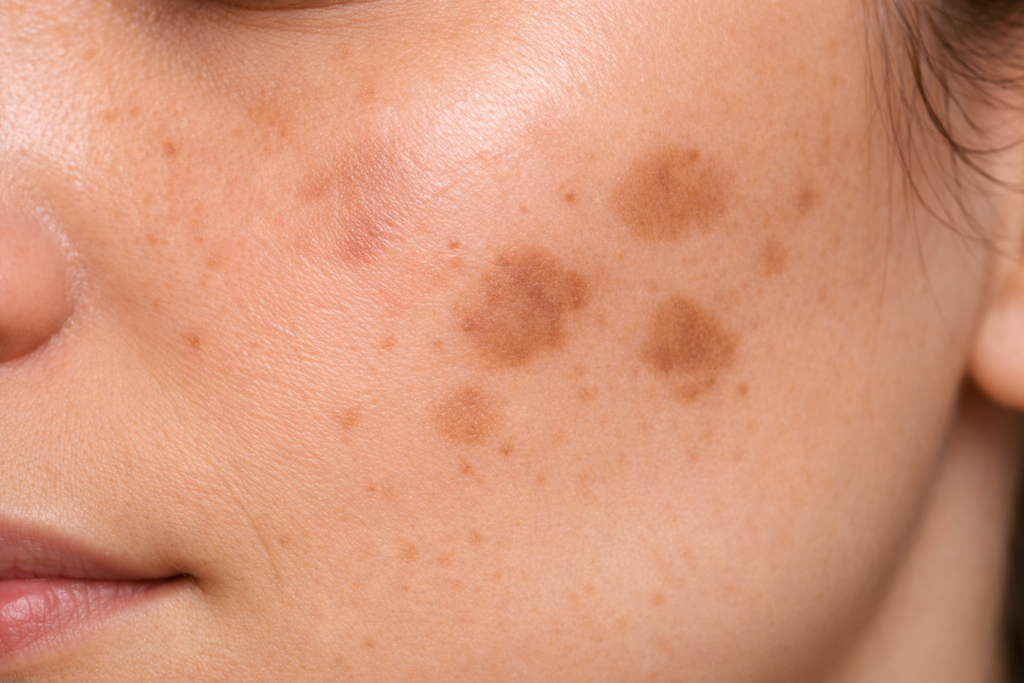
- Melasma — symmetrical brown spots on the forehead, cheeks, and above the lip, often associated with hormonal changes and increased sensitivity to ultraviolet light.
- Age and sun spots — “sun” spots and lentigo that appear after years of exposure to ultraviolet rays and photoaging of the skin.

Why do pigment spots appear?
- Key triggers: ultraviolet light (natural and tanning beds), hormonal imbalance, pregnancy, skin inflammation, certain medications, and internal organ diseases.
- Inflammation or injury to the skin triggers excessive melanin synthesis, causing some of the pigment to penetrate deeper into the dermis, which makes the spots more persistent and difficult to correct.



Why pigmentation is dangerous and why it should not be ignored
- In most cases, increased pigmentation is a cosmetic problem, but sometimes skin discoloration is associated with systemic diseases of the skin, liver, endocrine system, or even tumors.
- A sudden change in color, rapidly growing or changing spots, itching, bleeding, or uneven edges are reasons to immediately consult a dermatologist and rule out skin cancer.
First steps toward solving the problem
- The bare minimum: daily SPF with broad spectrum protection all year round, avoiding tanning beds and the habit of “burning and then tanning” to prevent new spots and worsening old ones.
- The next level is a professional analysis of the cause (hormones, medications, procedures, acne) and a competent plan: topical agents with vitamin C, arbutin, kojic acid, retinoids, and, if indicated, peels, laser or injection techniques.