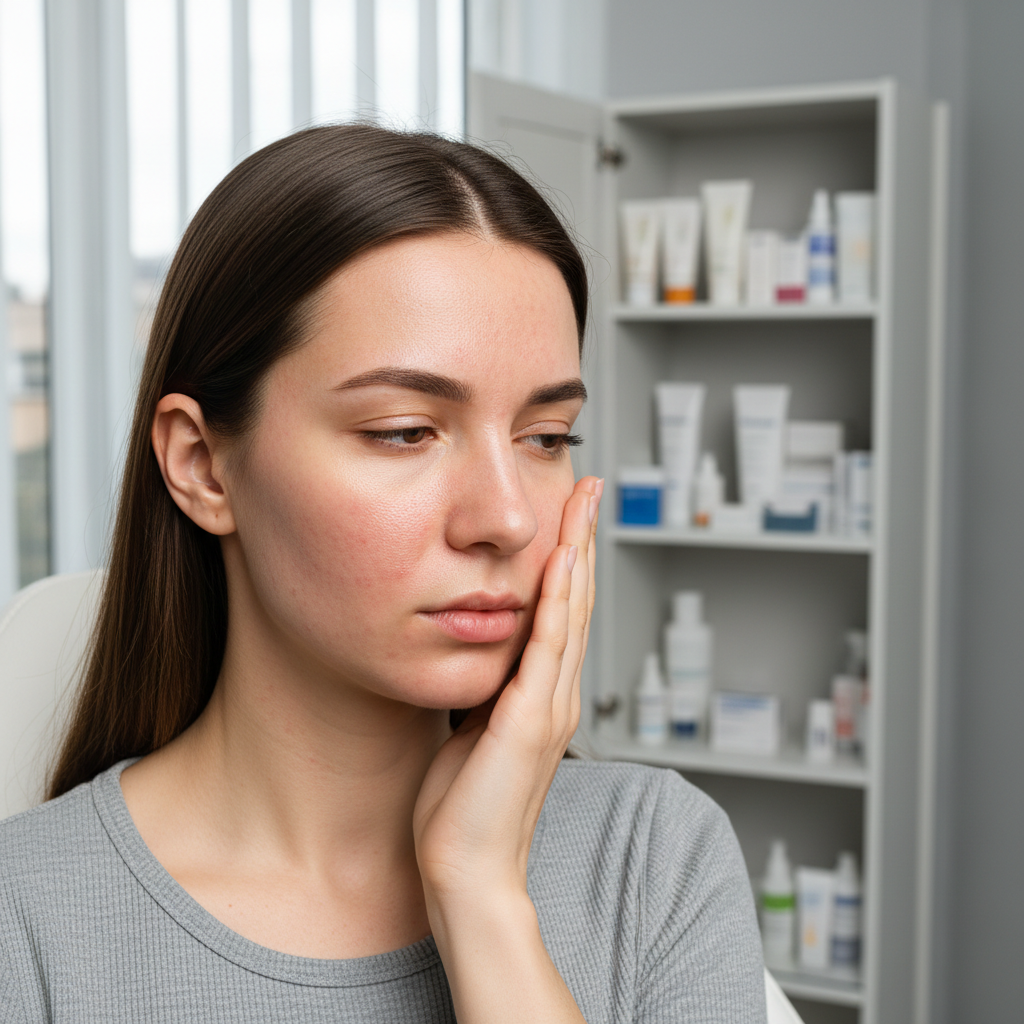
Acne affects about 80-90% of teenagers and young people aged 12-35, causing not only physical discomfort, but also psychological complexes, scarring, and low self-esteem. The problem manifests itself in the form of oily shine, inflammation, blackheads, and pustules, which spoil the appearance and require a systematic approach to treatment. Comprehensive skin care for acne, including natural products with antibacterial effects, allows you to achieve clear skin in 4-6 weeks without recurrence.
This article will reveal the causes of acne, dispel myths, offer step-by-step home care, and recommend the top products of 2025 as recommended by dermatologists. Regular treatment of acne will help you get rid of pimples forever.
Causes of acne: why pimples appear
Acne occurs due to four key mechanisms: hyperactivity of the sebaceous glands, clogging of pores due to hyperkeratosis, proliferation of Cutibacterium acnes bacteria, and inflammation. Hormonal changes (androgens stimulate sebum production), stress, a high glycemic index diet, and comedogenic cosmetics exacerbate the problem.
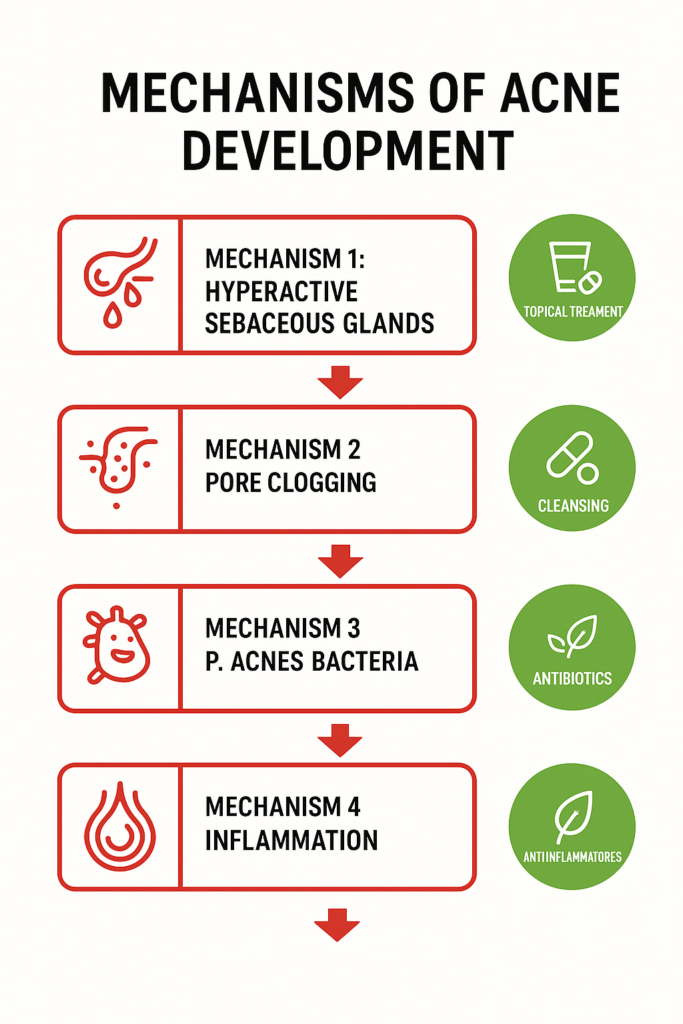
Genetics play a role in 80% of cases, while external factors such as humidity or medication can trigger flare-ups.
The main causes of acne
Hormones are the main trigger: during adolescence, menstruation, or stress, testosterone levels rise, causing the glands to produce more oil. Eating fast carbohydrates causes insulin spikes, and cosmetics clog pores. Stress increases cortisol, exacerbating inflammation.
Stages of acne
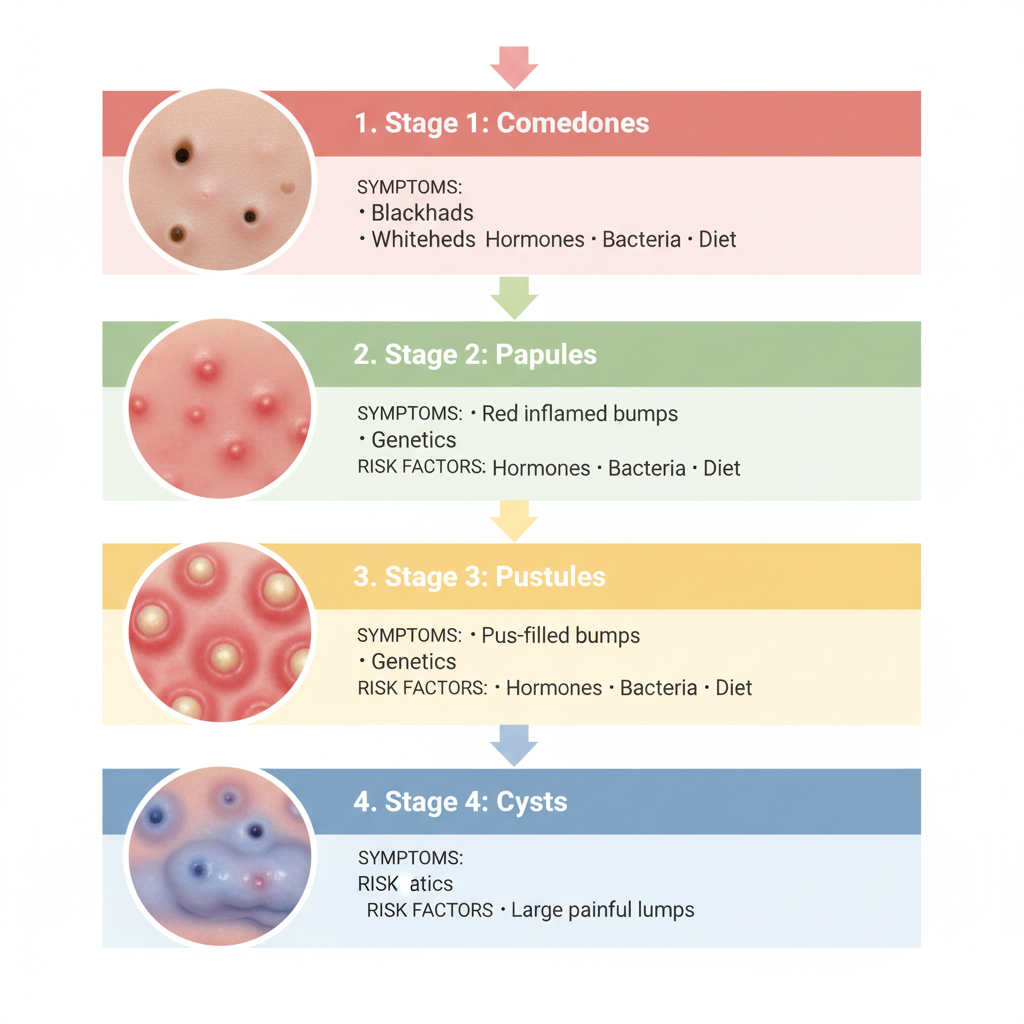
Acne progresses from comedones (blackheads/closed comedones) to papules (red bumps), pustules (pimples), and cysts (deep nodules with scarring). Symptoms: oiliness, redness, pain, post-acne.
More about caring for oily skin.
Myths about acne: what does NOT help
- Chocolate directly causes acne — in fact, there is an indirect effect through insulin and inflammation from excess sugar.
- Acne appears due to poor hygiene. Skin cleanliness has little effect on the likelihood of developing acne, but washing more than twice a day, harsh scrubs, and certain creams can only harm the skin.
- Squeezing cleanses the face — but in reality, doing this at home leads to scarring and infection.
- If you sunbathe or use a tanning bed, your acne symptoms will go away. Prolonged exposure to the sun or tanning beds does not reduce acne symptoms.
- Acne is a contagious disease. It is not possible to infect other people with acne.
- Sexual activity can affect acne. Having sex or masturbating does not affect acne in any way.
Fact: Hygiene is certainly important, but it is far from being a panacea. Chemical peels for acne accelerate skin regeneration and promote healing.
Caring for acne-prone skin: 9 steps to clear skin
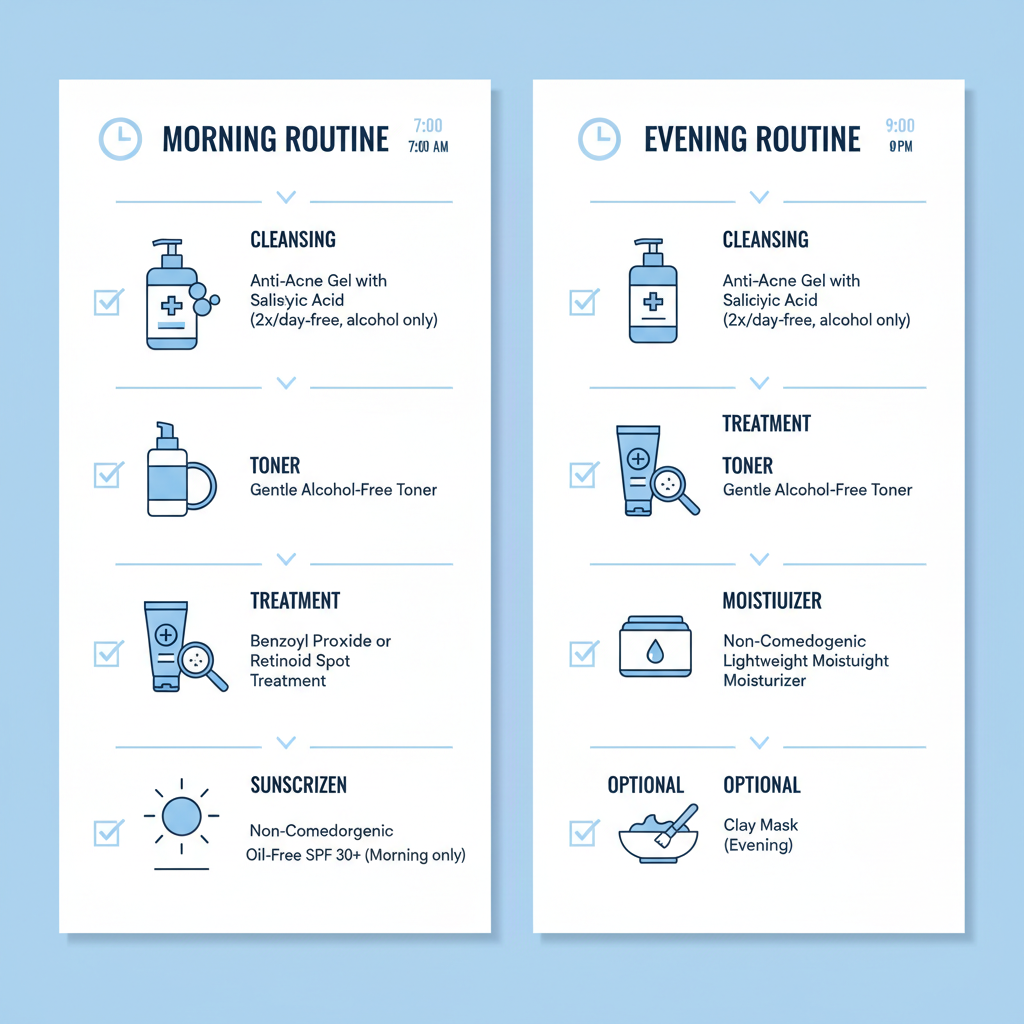
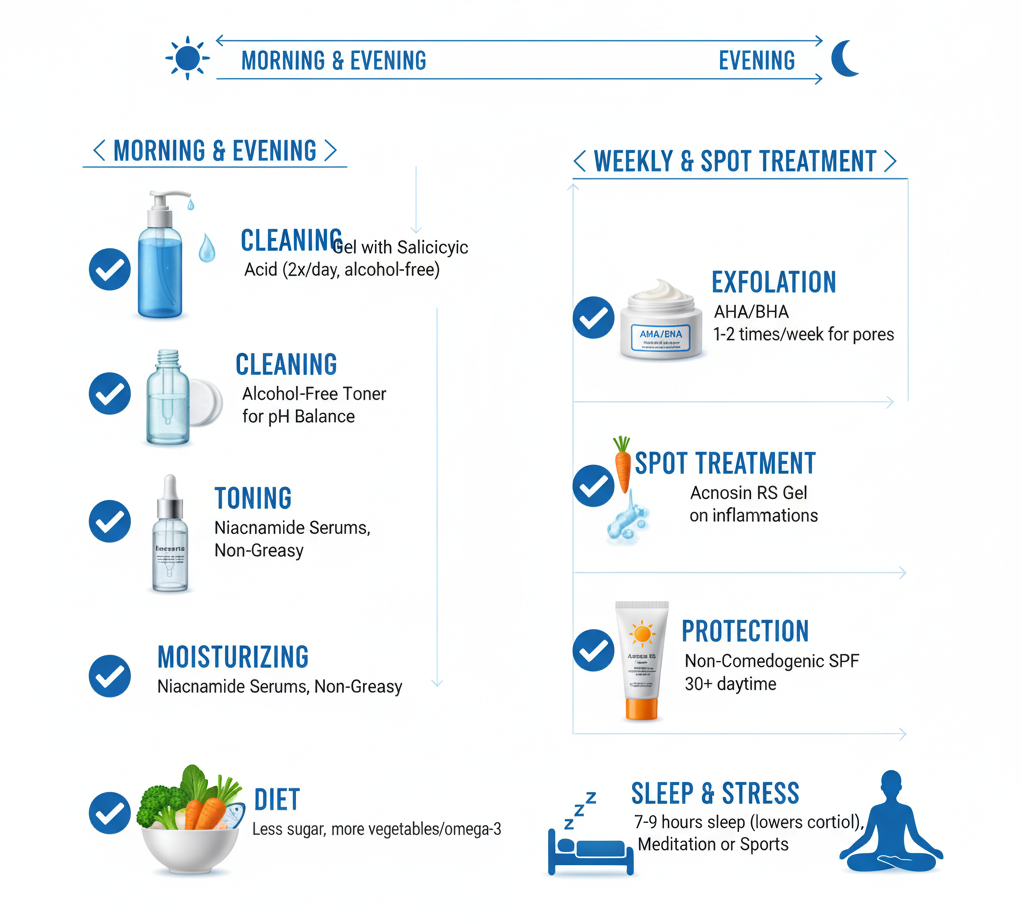
Proper skin care for acne includes cleansing, moisturizing, and protection to normalize sebum and reduce inflammation. Regular use produces results in 1-2 months.
The best acne treatments in 2026
In 2026, the best treatments are gels containing benzoyl peroxide, retinoids, salicylic acid, and niacinamide. A new natural antibacterial gel is gaining immense popularity. It reduces inflammation in 20–40 days without causing dryness, making it ideal for home use. Learn more on the manufacturer’s website.
Typically, acne prevention involves a 6-12 month treatment course and visits to a dermatologist for cysts or scars. Local remedies include ARAVIA Anti-Acne SOS Gel and VICHY Normaderm.
Results: clear skin without acne
Acne treatment requires a comprehensive approach, taking into account the stage of the disease and individual factors, using topical agents, systemic drugs, and procedures under the supervision of a dermatologist. Effectiveness is achieved in 4-12 weeks for mild forms and up to a year for severe forms, with an emphasis on normalizing the sebaceous glands and fighting bacteria and inflammation. Modern methods in 2026 combine home care and hardware technologies for long-term remission.